
Shockwave Therapy
A revolutionary technology that brings patients back to health sooner
〰️〰️〰️〰️〰️
A revolutionary technology that brings patients back to health sooner 〰️〰️〰️〰️〰️
How It Works
-
![]()
✺
EXCEPTIONAL RESULTS
Up to 91% success rate for several conditions. Evidence Based.
Trusted by NFL, NHL, NBA and Olympic Village.
-
![]()
✺
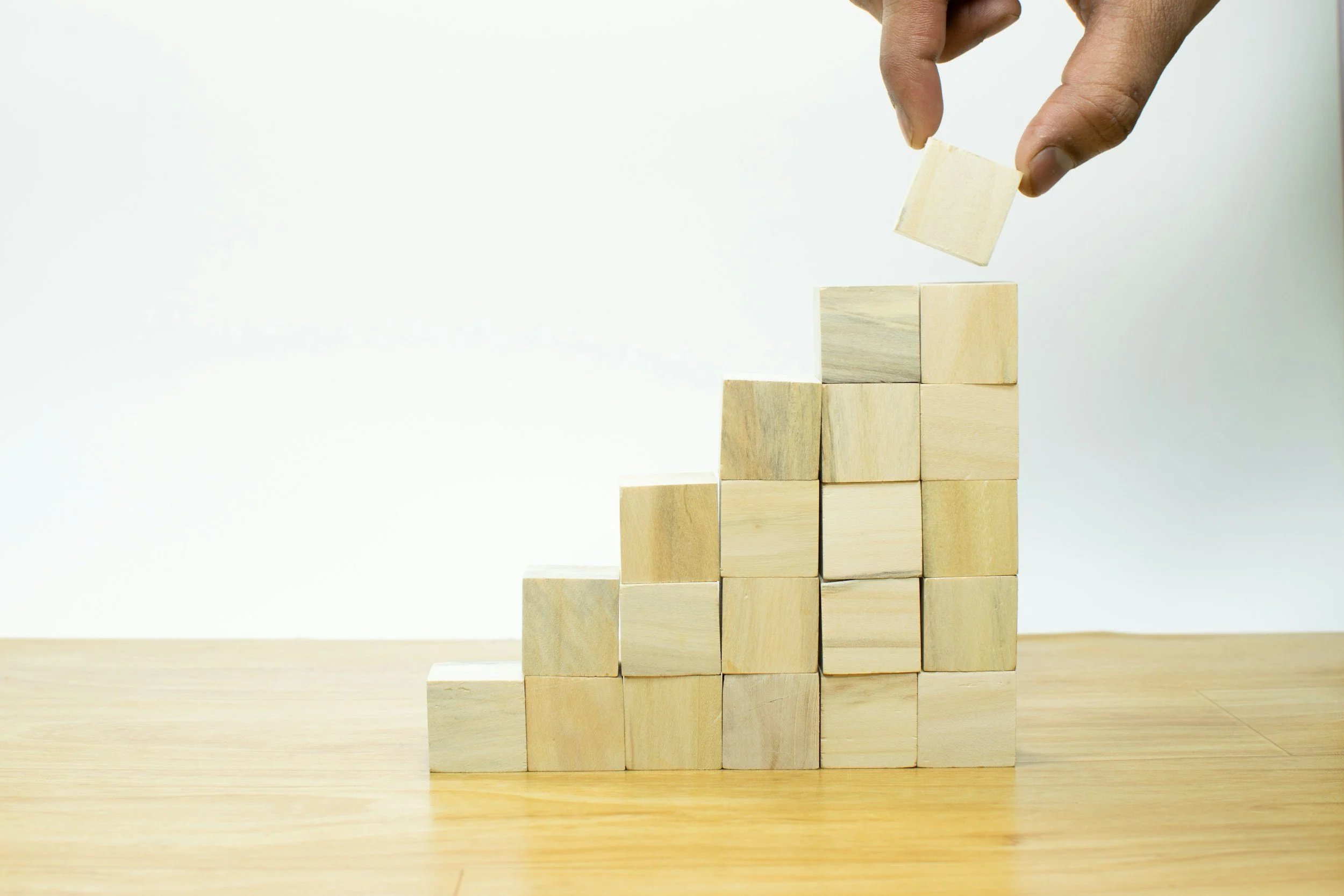
STIMULATES FASTER HEALING
Acousting soundwaves penetrate injured tissue and promote both increased blood flow and tissue regeneration.
Shockwave Therapy also promotes collagen production and helps to align the newly formed fibers, resulting in a more firm and strong structure.
-
![]()
✺
BREAKS DOWN CALCIUM DEPOSITS & SCAR TISSUE
Calcium deposits can occur after stress or trauma to a muscle. Every time you use the muscle, it rubs across the calcium like “sandpaper”, sparking inflammation and pain.
We use Shockwave to break down the calcifications and help them get flushed out through the lymphatic system.
-
![]()
✺
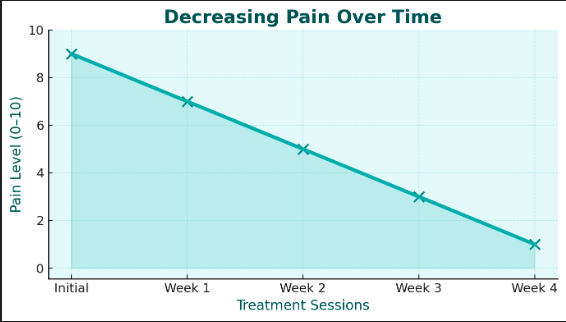
PAIN REDUCTION
Shockwave helps reduce and eliminate pain, especially chronic pain by communicating with pain-transmitting signals from the brain.
Shockwave also helps to address muscle tension and trigger points.
-
![]()
✺
REDUCES INFLAMMATION
Targets muscles, tendons, and the bones they attach to, to help reduce inflammation.
Chronic inflammation takes place when the natural inflammatory response does not shut off. This can result in tissue damage and chronic pain.
-
![]()
✺
IMPROVED MOBILITY
Patients experience improved mobility within as few as 1-3 sessions.
-
![]()
✺
NON-INVASIVE
Doesn’t require surgery or injections and works just as well if not better for some conditions as demonstrated in medical literature.

✺ Frequently asked questions ✺
-
After only 3 sessions, over 80% of patients report either a complete reduction in pain or significant improvement.
Within scientific literature, more specific success rates include up to:
91% improvement for calcific tendinopathy (Journal of American Medical Assocation, 2003)
77% improvement for tennis elbow (The Journal of Orthopedics, 2005)
90% improvement for plantar fasciitis (Journal of Orthopedic Research, 2005)
80% improvement for non-union fractures (Clinical Orthopedics and related research, 2001)
86% improvement for rotator cuff tendonitis (Journal of American Medical Association, 2003)
75% improvement for Jumper's Knee (patellar tendonitis) - (American Journal of Sports Medicine, 2007)
75% improvement for Achilles tendinopathy (American Journal of Sports Medicine, 2007)
-
Shockwave is a safe and non-invasive treatment.
The most common side effects (if any) include:
Temporary tenderness or discomfort at the treatment area
Temporary redness and heat
Bruising
Temporary numbness or tingling
-
Many individuals can benefit from Shockwave therapy, even those with osteoarthritis.
However, there are some circumstances where Shockwave should be avoided.
These include:
Pregnancy
Cortisone injections were performed within the last 4 weeks
Pacemakers
Individuals under the age of 18 - except for treating Osgood-Schlatter Syndrome
Those prescribed blood thinners especially Heparin, Coumadin and Marcumar
Coagulation disorders or thrombosis
Recent tumour, infection, or cancer in the area
-
Extremely. It’s a non-invasive treatment and won’t interfere with any previous therapeutic treatments or surgeries.
-
One treatment area takes roughly 4-5 minutes. The number of treatment sessions depends on the type of injury.
-
Most patients experience little to no pain. The level of discomfort can depend on a few factors, including the type of injury being treated and where it is in the body. Shockwave therapy can be quite sensitive near bony areas. Communication between doctor and patient is important to minimize discomfort or pain as much as possible.